
Radon Information Brochure
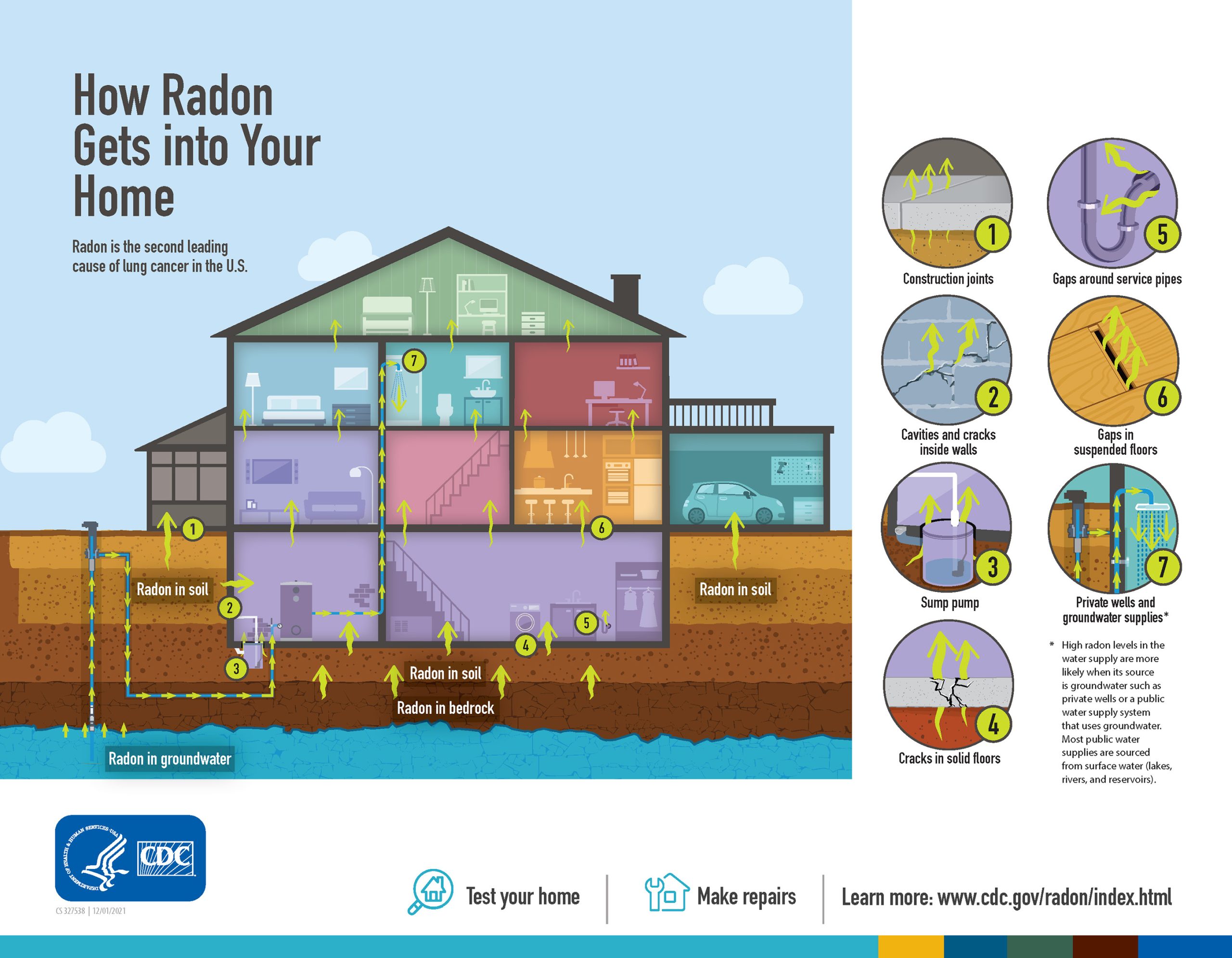
Radon Information Brochure - Radon, the number one cause of lung cancer in nonsmokers, decays quickly, breaking down into tiny radioactive particles that, when inhaled, can damage the cells that line the lung. Radon gas is a natural substance that can be found in the dirt and rocks beneath houses, in well water and in some building materials. Because soil is porous, radon moves up from the soil and into the home. When installed properly and completely, these simple and inexpensive techniques can help reduce. Radon is a naturally occurring radioactive gas that can cause lung cancer. Testing is the only way to know your level of exposure. Radon is a naturally occurring radioactive gas released in rock, soil, and water from the natural decay of uranium. And you can't smell it or taste it. Radon is one of the most comprehensively investigated human carcinogens. Radon is a radioactive gas. There is no known safe level of exposure to radon. It is formed by the decay of uranium, which is a natural process. Radon gas is invisible, and it has. • an informational page to provide you with helpful facts. Radon can seep into a home through dirt floors, cracks in concrete floors and walls, floor. You can’t see or smell radon. When you breath in radon, the gas particles lodge in your lungs and then degrade after about a day or two. How does radon cause lung cancer? Radon is a naturally occurring radioactive gas released in rock, soil, and water from the natural decay of uranium. For other languages, please click here. When a particle of radon degrades in your lungs, it. Radon is estimated to cause many thousands of deaths. Radon is a gas which can move through small spaces in the soil and rock on which a house is built. Environmental protection agency (epa) has several. Radon is one of the most comprehensively investigated human carcinogens. Test your home for radon factsheet. Radon, the number one cause of lung cancer in nonsmokers, decays quickly, breaking down into tiny radioactive particles that, when inhaled, can damage the cells that line the lung. Radon is one of the most comprehensively investigated human carcinogens. Radon can seep into a home through dirt floors, cracks in concrete floors and walls,. Radon is a colorless and odorless gas commonly found in the soil and throughout indiana. Radon is a radioactive gas. Use these print materials that include factsheets, infographics, and activity book to share information about radon. Radon is a naturally occurring radioactive gas that can cause lung cancer. Radon is estimated to cause many thousands of deaths. Radon is a radioactive gas. Radon is estimated to cause many thousands of deaths. Epa strongly recommends that you fix your home if your test shows 4 picocuries (pci/l) or more. It can enter homes through soil, crawlspaces, foundation. When a particle of radon degrades in your lungs, it. Radon, the greater your risk of developing lung cancer. You can’t see or smell radon. Radon is a naturally occurring radioactive gas released in rock, soil, and water from the natural decay of uranium. It is formed by the decay of uranium, which is a natural process. And you can't smell it or taste it. When installed properly and completely, these simple and inexpensive techniques can help reduce. Radon is a naturally occurring radioactive gas that can enter homes from the ground and build up to dangerous levels. Radon gas is invisible, and it has. Because soil is porous, radon moves up from the soil and into the home. And you can't smell it or. As we breathe, the radon gas can release tiny bursts of energy that can damage living lung tissue and can lead to lung cancer. Radon is a gas which can move through small spaces in the soil and rock on which a house is built. While levels in outdoor air pose a relatively low threat to human health,. When a. Test your home for radon factsheet. When a particle of radon degrades in your lungs, it. When you breath in radon, the gas particles lodge in your lungs and then degrade after about a day or two. Radon is estimated to cause many thousands of deaths. Radon is a naturally occurring radioactive gas released in rock, soil, and water from. As we breathe, the radon gas can release tiny bursts of energy that can damage living lung tissue and can lead to lung cancer. Testing is the only way to know your level of exposure. Radon, the greater your risk of developing lung cancer. But it may be a problem in your home. And you can't smell it or taste. Environmental protection agency (epa) has several. It is formed by the decay of uranium, which is a natural process. Radon, the greater your risk of developing lung cancer. But it may be a problem in your home. Test your home for radon factsheet. Radon, itself, naturally breaks down and forms radioactive decay products. When installed properly and completely, these simple and inexpensive techniques can help reduce. There is no known safe level of exposure to radon. And you can't smell it or taste it. When a particle of radon degrades in your lungs, it. Epa strongly recommends that you fix your home if your test shows 4 picocuries (pci/l) or more. When you breath in radon, the gas particles lodge in your lungs and then degrade after about a day or two. Testing is the only way to know your level of exposure. Radon is a radioactive gas. How does radon cause lung cancer? Radon is one of the most comprehensively investigated human carcinogens. But it may be a problem in your home. Radon is estimated to cause many thousands of deaths. • an informational page to provide you with helpful facts. Radon is estimated to cause many thousands of deaths. While levels in outdoor air pose a relatively low threat to human health,.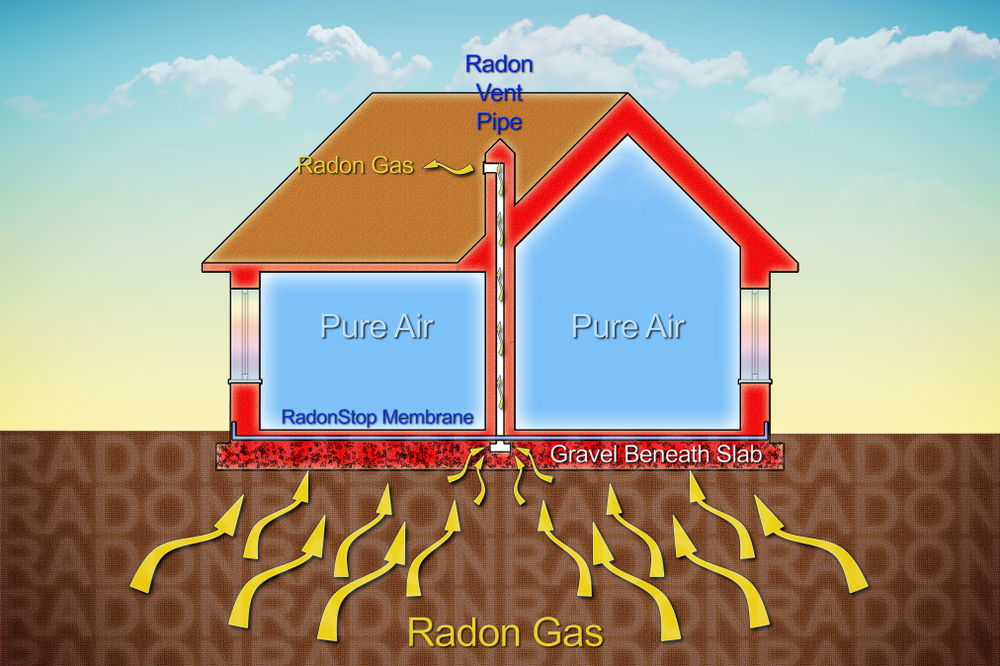
Infographic What is Radon Gas and How to Reduce Radon Levels in Your Home?
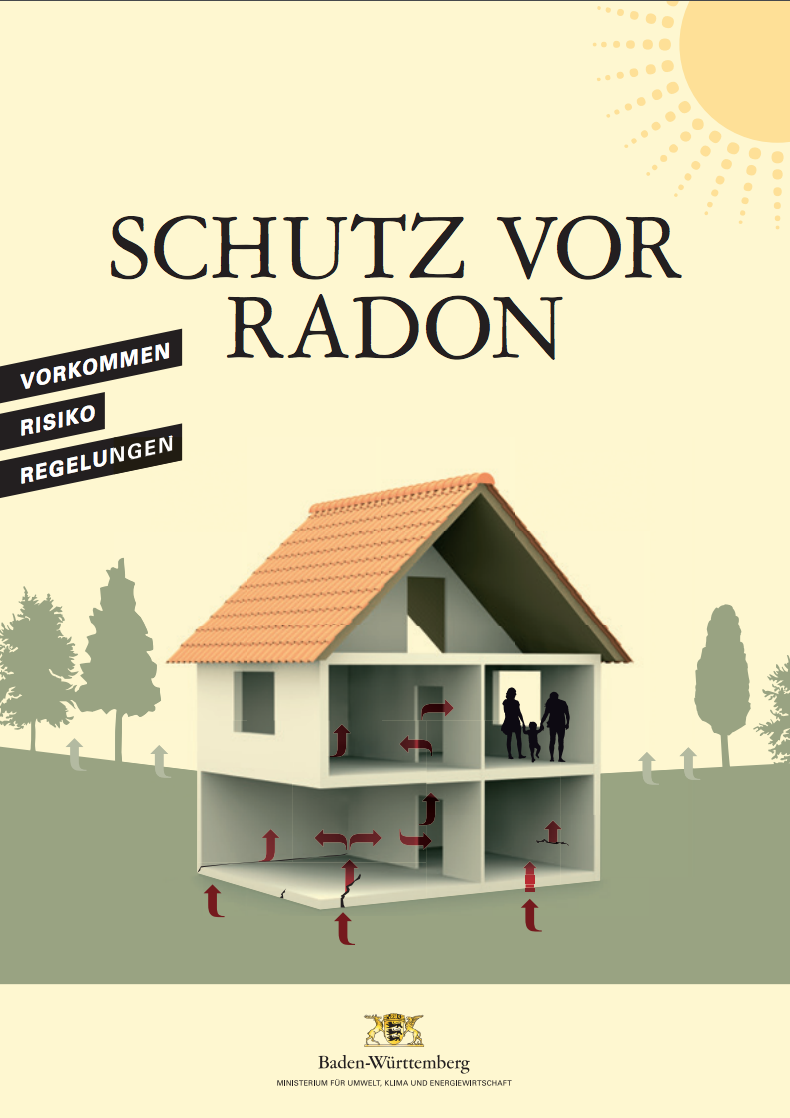
New information brochure for protection against radon
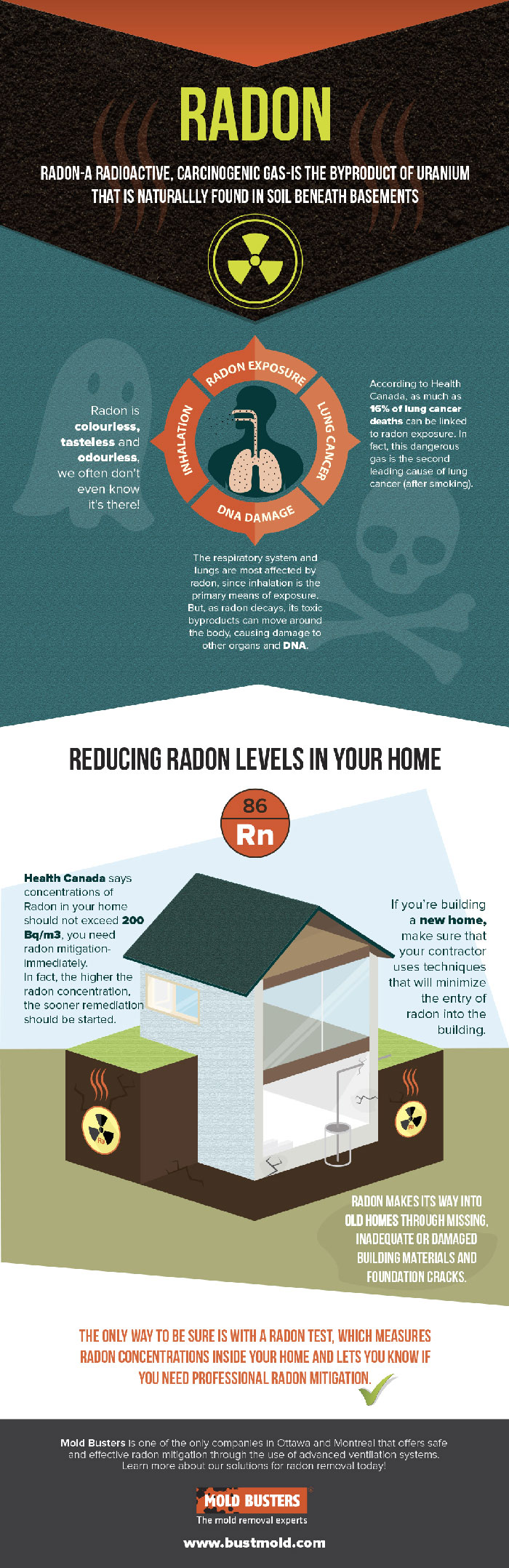
Infographic What is Radon Gas and How to Reduce Radon Levels in Your Home?
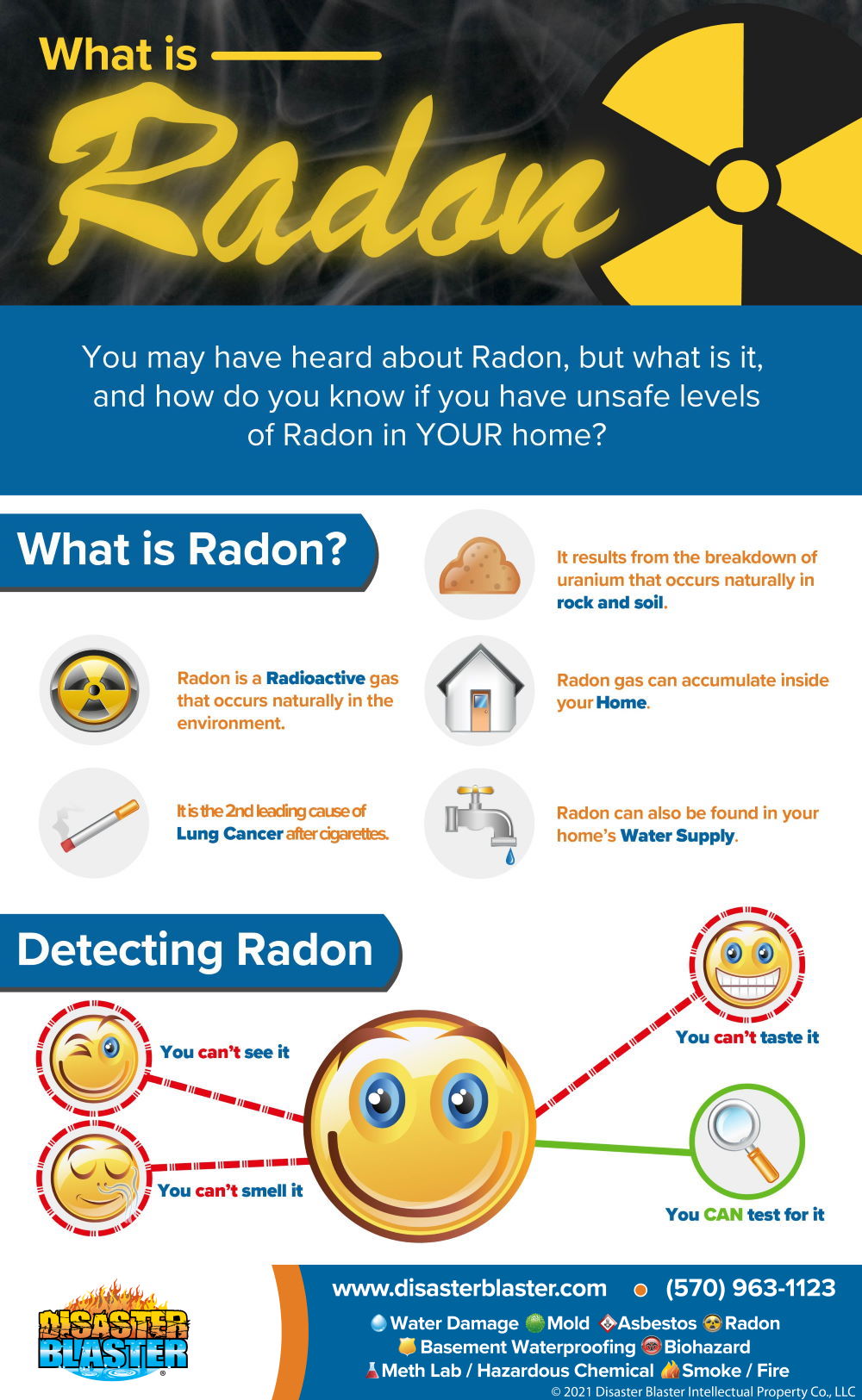
What is Radon? Infographic Disaster Blaster
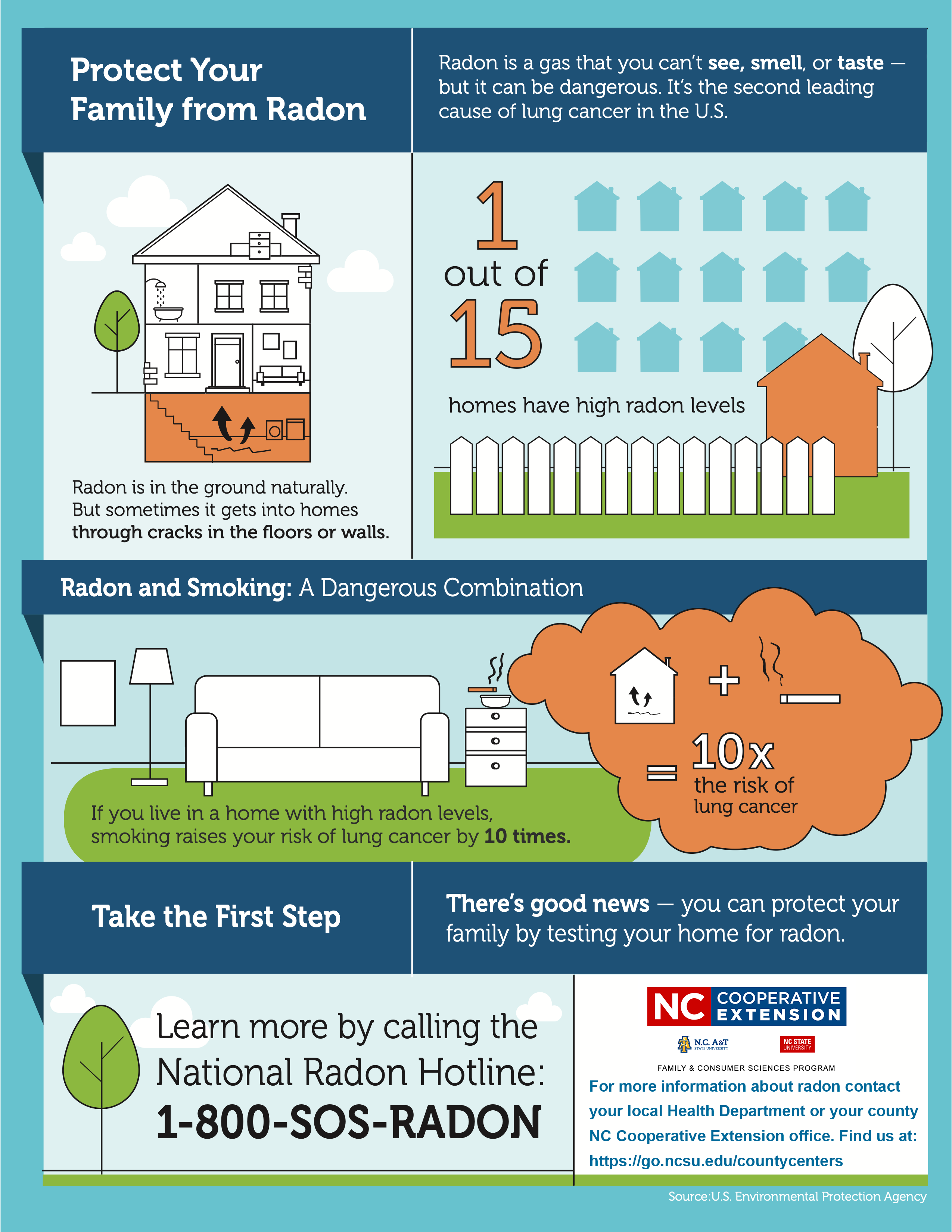
Radon Your Home and Your Health N.C. Cooperative Extension
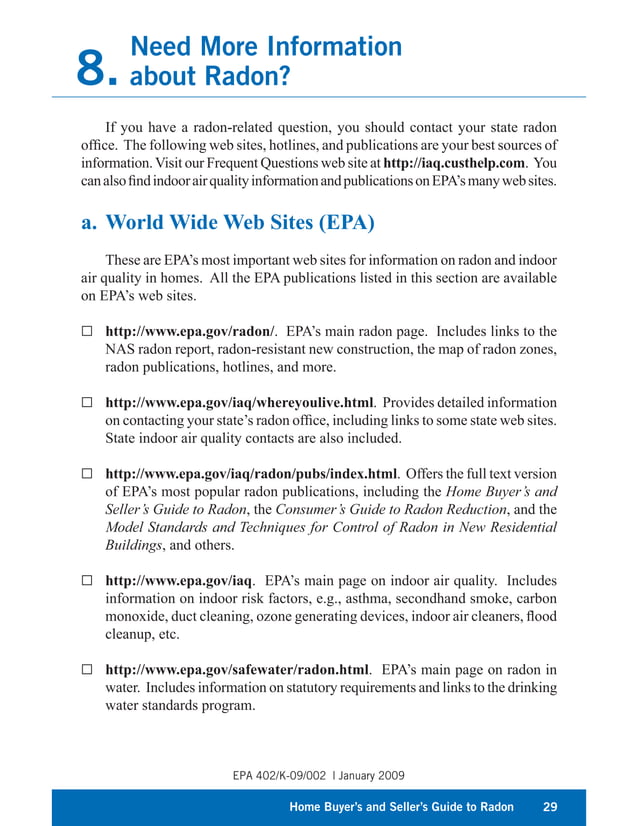
EPA Guide to Radon
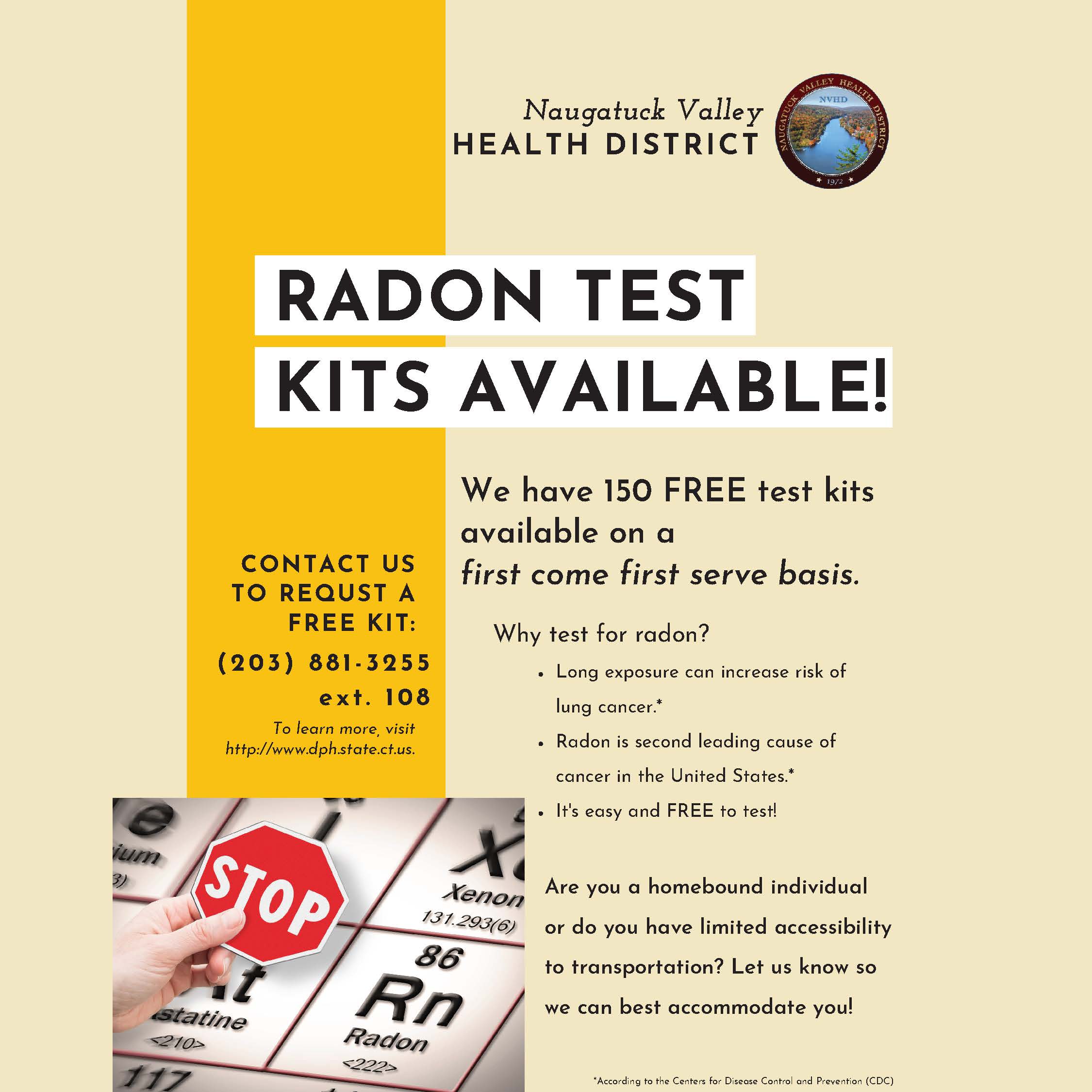
150* Free Radon Kits Available! Naugatuck Valley Health District
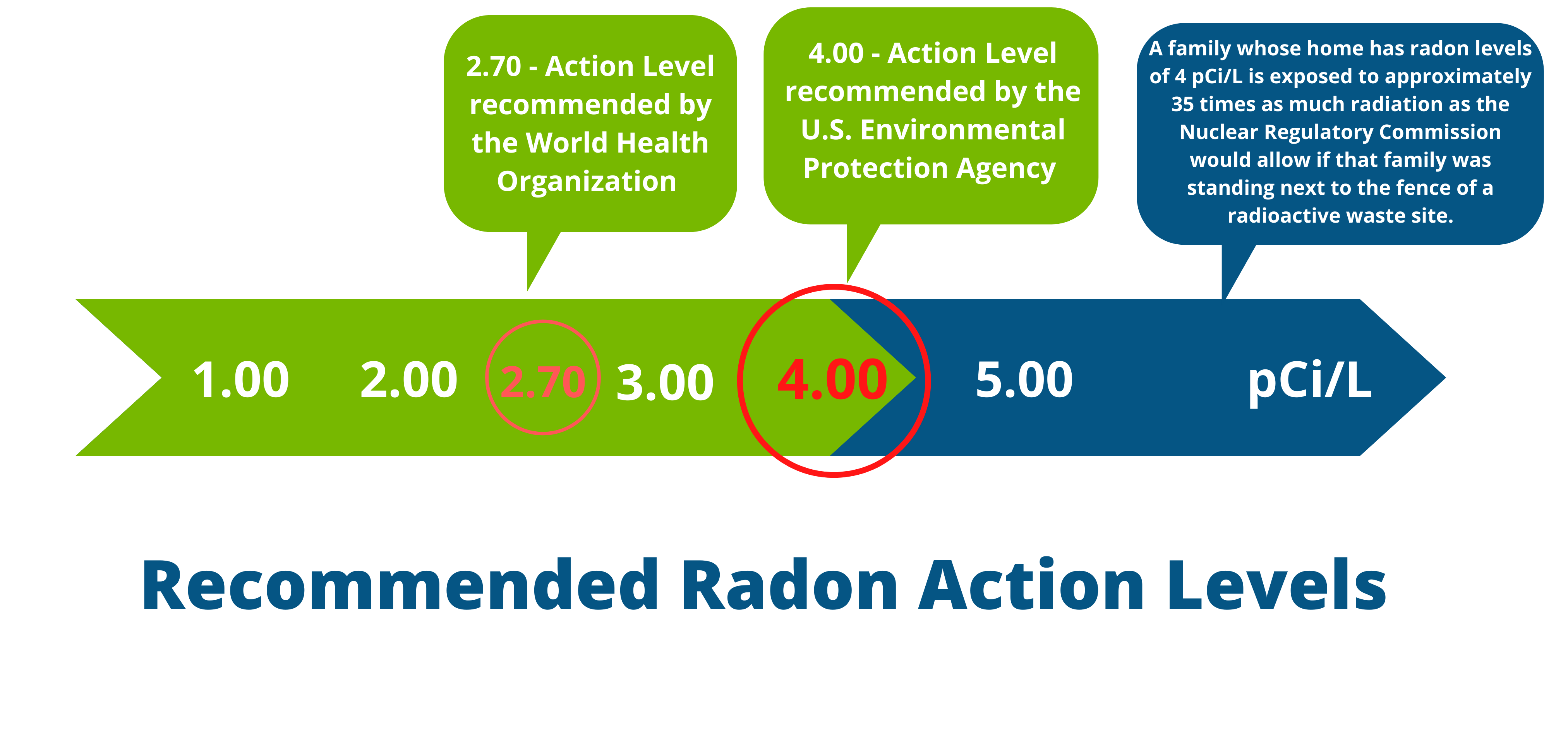
ORM_Radon Levels Explained (1)
Radon Prince William Health District

What is Radon? Radon Problems in Homes Radon Health Problems
Read Ratings & Reviewsfast Shippingshop Best Sellersshop Our Huge Selection
As We Breathe, The Radon Gas Can Release Tiny Bursts Of Energy That Can Damage Living Lung Tissue And Can Lead To Lung Cancer.
And You Can't Smell It Or Taste It.
The Air On Planet Earth Contains Radon.
Related Post: