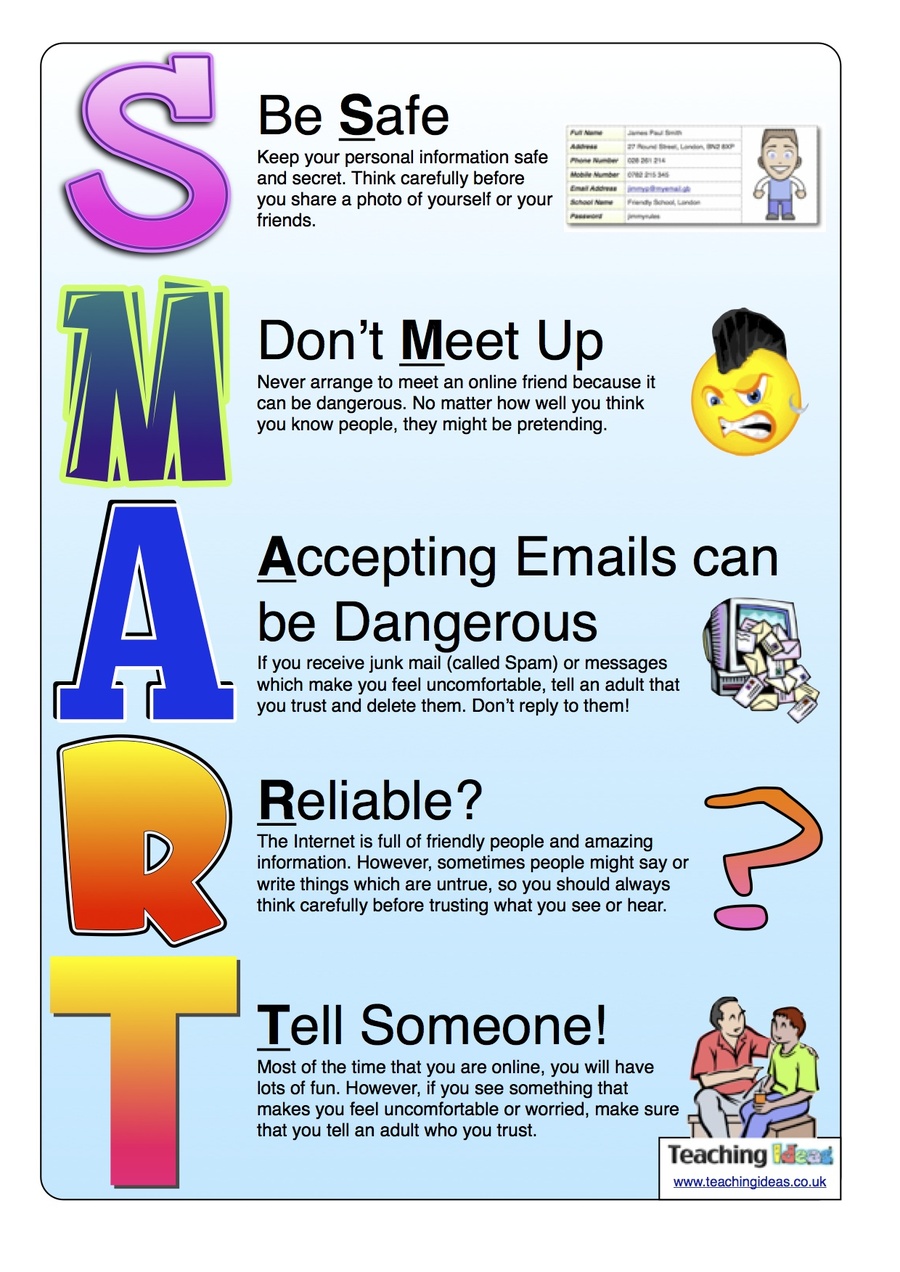
Internet Safety Brochure For Students
Internet Safety Brochure For Students - Whether you are teaching a class or hosting a health fair, the handouts, activities, and lesson plans available from these organizations will help you teach children and their. Internet to identify and avoid situations that could threaten their safety. Be a good cyber citizen! A list of tips for kids about how to stay safe online and have fun Protecting their children on the internet and reducing their risk of victimization. Learn how to guard against hacks, sim swaps, and other cyber threats. A reproducible brochure for parents on keeping kids safe online kids: This fact sheet includes information on the most common online threats students face, including cyberbullying, and. These tips help ensure a safer and more positive online. For 4th and 5th graders, we offer the w.i.s.e. This fact sheet includes information on the most common online threats students face, including cyberbullying, and. These tips help ensure a safer and more positive online. Be a good cyber citizen! School communities can empower students to make smarter online choices by creating a dynamic and engaging internet safety curriculum and by educating youth on digital literacy skills as part. Whether you are teaching a class or hosting a health fair, the handouts, activities, and lesson plans available from these organizations will help you teach children and their. The following questions are written in language. Students need to understand that impulsive behavior online can jeopardize their identities, reputations, and safety. Learn how to guard against hacks, sim swaps, and other cyber threats. To increase student knowledge of internet safety to aid the student in identifying dangers on the internet to build. Protecting their children on the internet and reducing their risk of victimization. Here you’ll find information about the ever‐changing online interests of young people, the potential risks they. To increase student knowledge of internet safety to aid the student in identifying dangers on the internet to build. The internet is a place where we can find a lot of useful information, connect with our friends, find cool apps and play games, but. Our resources for educators offer multiple ways to engage students, parents and communities in important lessons in digital citizenship and online safety. A reproducible brochure for parents on keeping kids safe online kids: Download or print and share with other parents or colleagues to. School communities can empower students to make smarter online choices by creating a dynamic and engaging. To increase student knowledge of internet safety to aid the student in identifying dangers on the internet to build. A list of tips for kids about how to stay safe online and have fun Students need to understand that impulsive behavior online can jeopardize their identities, reputations, and safety. For parents, the guide emphasizes the need for open communication, monitoring. A reproducible brochure for parents on keeping kids safe online kids: The fbi's safe online surfing (sos) internet challenge—a free, educational program that teaches cyber safety and digital citizenship to children—was launched in october 2012. The internet is a place where we can find a lot of useful information, connect with our friends, find cool apps and play games, but. These activities will encourage your students to think critically about online safety, including how much information to reveal and to whom. School communities can empower students to make smarter online choices by creating a dynamic and engaging internet safety curriculum and by educating youth on digital literacy skills as part. The following questions are written in language. Program—why internet safety. Empower your students to be safer. The fbi's safe online surfing (sos) internet challenge—a free, educational program that teaches cyber safety and digital citizenship to children—was launched in october 2012. And improper use of a computer can cause physical problems as well. A list of tips for kids about how to stay safe online and have fun Learn how to. A reproducible brochure for parents on keeping kids safe online kids: Download or print and share with other parents or colleagues to. Here you’ll find information about the ever‐changing online interests of young people, the potential risks they. The following questions are written in language. Program—why internet safety is essential—a dynamic presentation that teaches young students the fundamentals of staying. Whether you are teaching a class or hosting a health fair, the handouts, activities, and lesson plans available from these organizations will help you teach children and their. For parents, the guide emphasizes the need for open communication, monitoring online use, and staying informed about internet safety. Learn how to guard against hacks, sim swaps, and other cyber threats. And. Our resources for educators offer multiple ways to engage students, parents and communities in important lessons in digital citizenship and online safety. A list of tips for kids about how to stay safe online and have fun For parents, the guide emphasizes the need for open communication, monitoring online use, and staying informed about internet safety. Here you’ll find information. Students need to understand that impulsive behavior online can jeopardize their identities, reputations, and safety. A reproducible brochure for parents on keeping kids safe online kids: For parents, the guide emphasizes the need for open communication, monitoring online use, and staying informed about internet safety. Empower your students to be safer. Program—why internet safety is essential—a dynamic presentation that teaches. And improper use of a computer can cause physical problems as well. Download or print and share with other parents or colleagues to. Students need to understand that impulsive behavior online can jeopardize their identities, reputations, and safety. Whether you are teaching a class or hosting a health fair, the handouts, activities, and lesson plans available from these organizations will help you teach children and their. This fact sheet includes information on the most common online threats students face and describes how school and. Empower your students to be safer. Be a good cyber citizen! Learn how to guard against hacks, sim swaps, and other cyber threats. For 4th and 5th graders, we offer the w.i.s.e. To increase student knowledge of internet safety to aid the student in identifying dangers on the internet to build. The internet is a place where we can find a lot of useful information, connect with our friends, find cool apps and play games, but it is important to know how to navigate online safely. The fbi's safe online surfing (sos) internet challenge—a free, educational program that teaches cyber safety and digital citizenship to children—was launched in october 2012. Our resources for educators offer multiple ways to engage students, parents and communities in important lessons in digital citizenship and online safety. Here you’ll find information about the ever‐changing online interests of young people, the potential risks they. For parents, the guide emphasizes the need for open communication, monitoring online use, and staying informed about internet safety. Free mobile app24/7 tech supportmoney back guarantee
Miss Lee's 4th Grade Blog Safety Posters Onderwijs, Veiligheid

Teaching Digital Citizenship 10 Safety Tips for Students
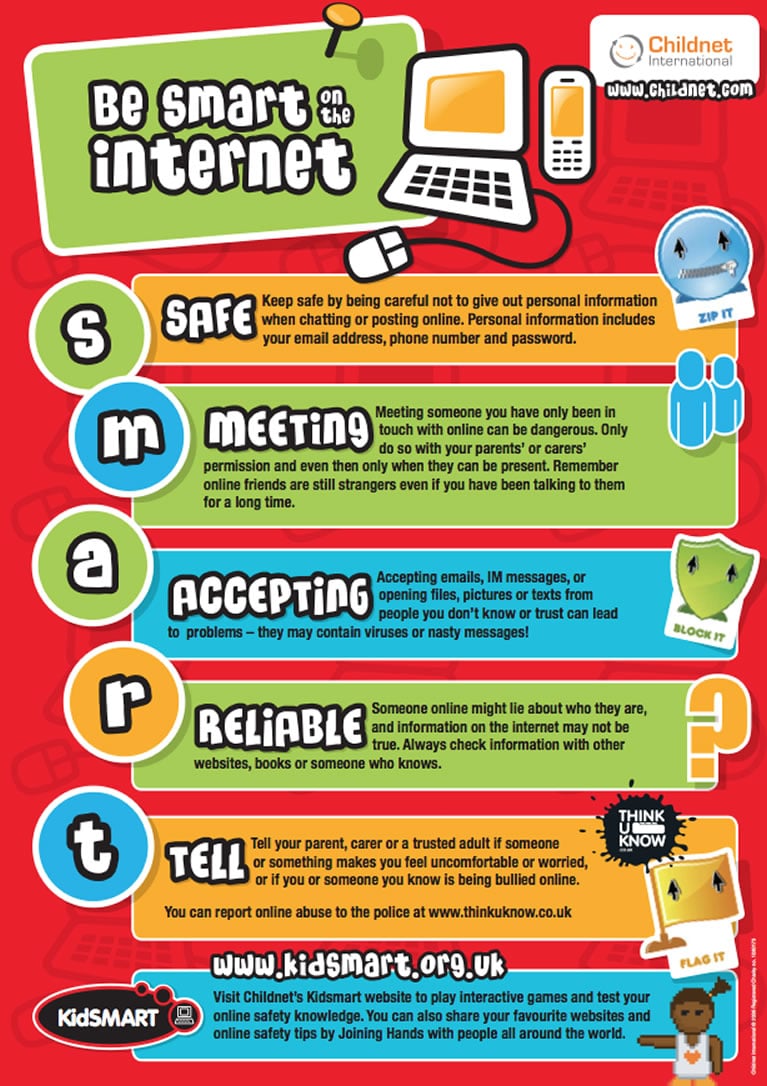
ESafety Dashwood Academy
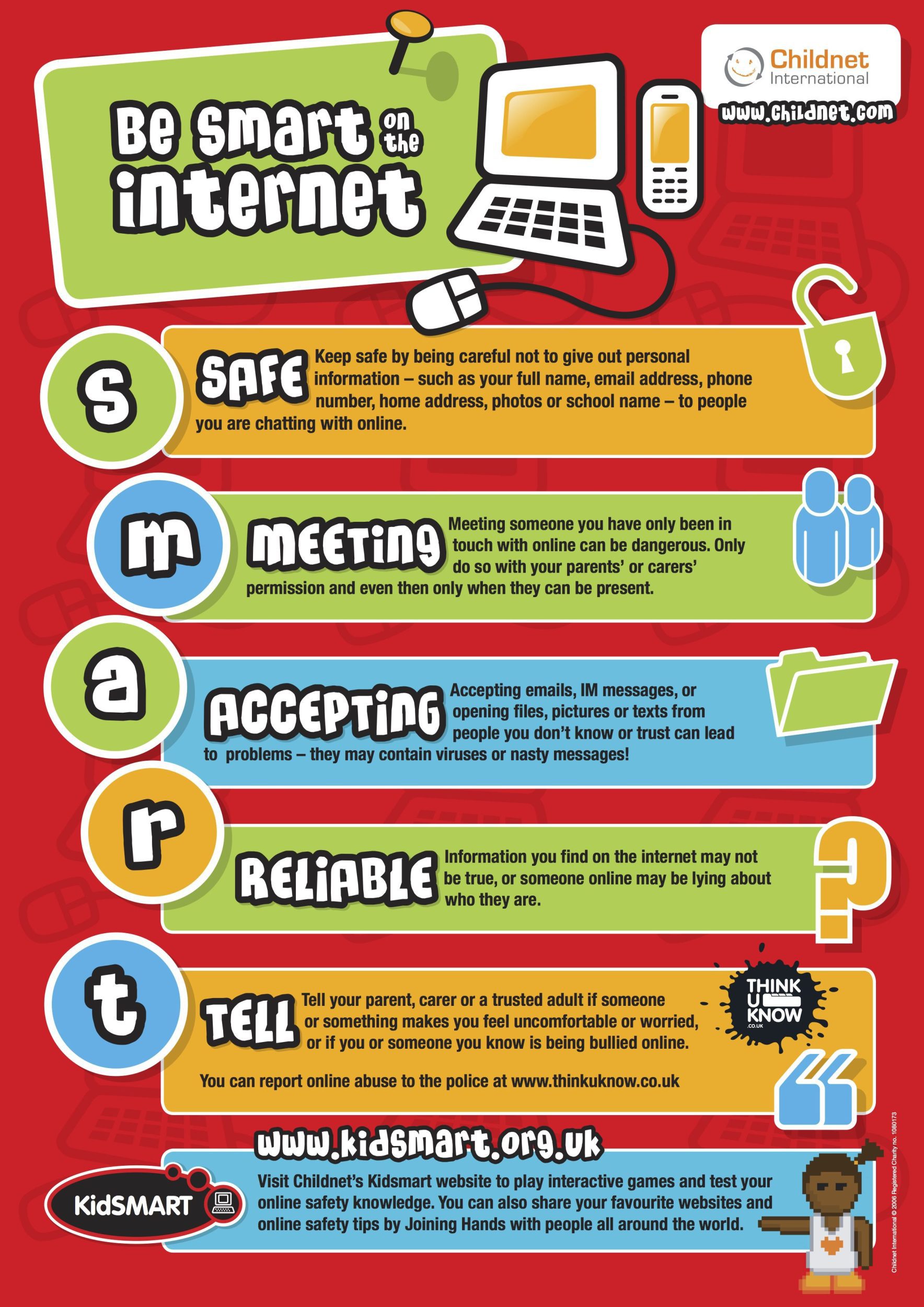
SMART Willow Lane Primary School
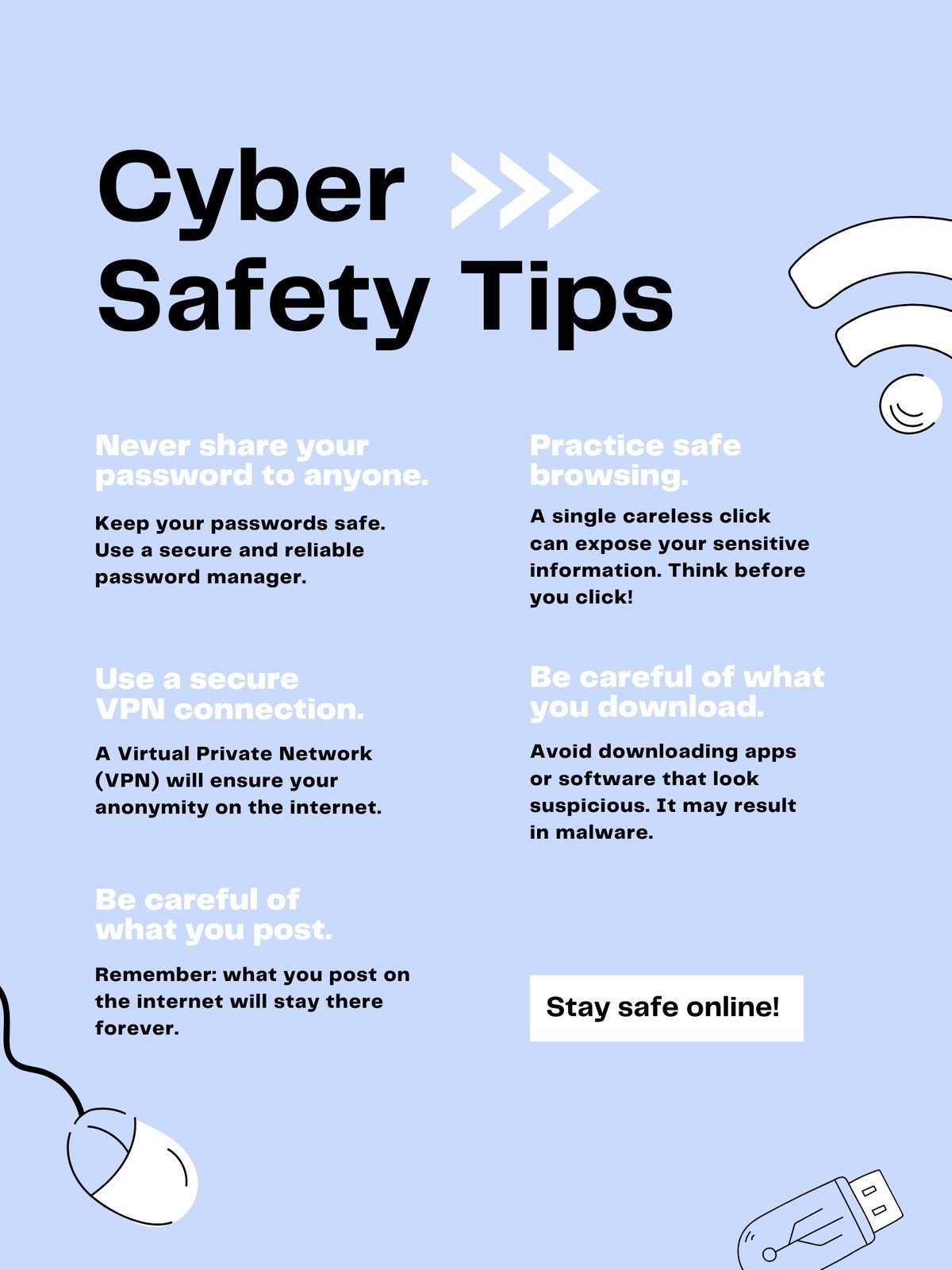
Safety Poster

Top Tips for Safety Posters Loggerhead Publishing

Pin on esafety & digital citizenship

Cyber Safety Brochure R4NDOMTH1INGS
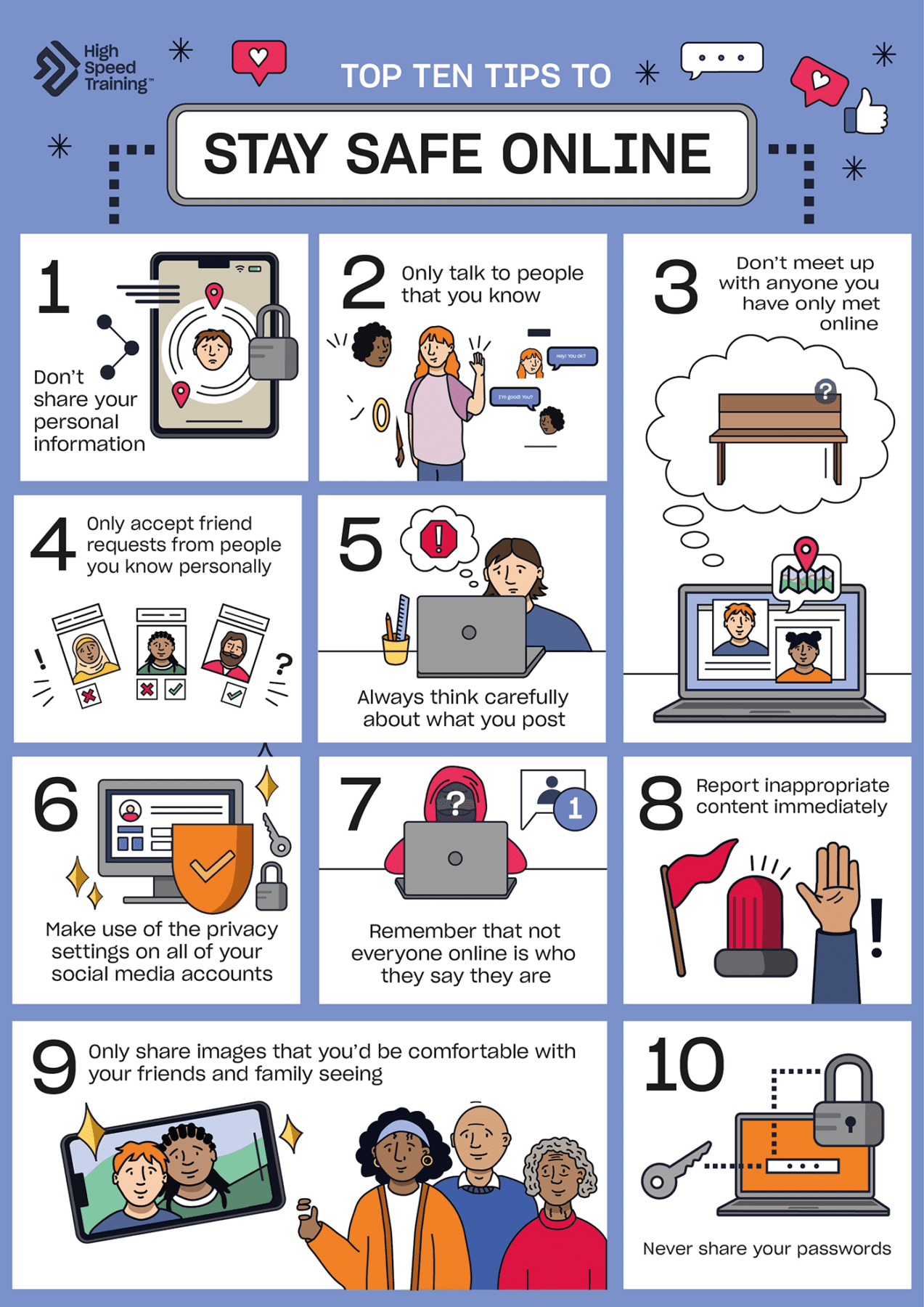
Online Safety Gaddesby Primary School
The Cedars Primary School Online Safety page
This Fact Sheet Includes Information On The Most Common Online Threats Students Face, Including Cyberbullying, And.
These Tips Help Ensure A Safer And More Positive Online.
These Activities Will Encourage Your Students To Think Critically About Online Safety, Including How Much Information To Reveal And To Whom.
Program—Why Internet Safety Is Essential—A Dynamic Presentation That Teaches Young Students The Fundamentals Of Staying Safe Online.
Related Post: