
Death And Dying Brochure
Death And Dying Brochure - The following information may be useful for the person who is dying, their family and carers. The following physical and emotional signs of approaching death are described to help you understand what may happen. Staying alive requires having an interest in survival that outweighs an interest in death. Death phobia also makes sense from a sociological. Increasing suicide rates among first responders spark concern. Dying is a natural part of life, but many people do not have experience caring for someone during the dying process and find themselves navigating through new and unfamiliar territory. Death is a natural process as the body begins shutting down. The physical changes that signify the dying of a loved one may be diicult to watch. We hope it will provide support and direction for you during the difficult times when someone you love and care for is. Many diferent feelings and emotions may surface at this time. Dying is a natural process as the body begins shutting down. As the lecture on death and dying begins, ask the participants to consider their feelings about death and/or talking with someone who is dying. The physical changes that signify the dying of a loved one may be diicult to watch. Many of these changes are normal when close to death. A survey of more than 4,000 first responders found that 6.6 percent had attempted suicide, which is more than 10 times the rate. Each person and every death is unique, but there are some common things that accompany the process of dying. This brochure may help you understand, anticipate and respond to some of the signs you. Visit our end of life resource library to find a range of covers topics including aged care, caregiving for the dying and advance care planning. As a caregiver, it may not be obvious to you when death has occurred. Outweighs an interest in death. In creating this booklet, we hope to provide information to help understand the journey that all humans must take someday. Outweighs an interest in death. This brochure may help you understand, anticipate and respond to some of the signs you. Topics of death and dying—makes sense; We hope it will provide support and direction for you during the difficult times. Not all of us have been present when someone dies, but the moment of death is often peaceful. Visit our end of life resource library to find a range of covers topics including aged care, caregiving for the dying and advance care planning. Death phobia also makes sense from a sociological. Outweighs an interest in death. Carers are often concerned. As with birth, it helps to prepare for the experiences of dying and death. Outweighs an interest in death. Research studies suggest that when physical health is taken into account, death anxiety. These changes are natural and can happen over months, days or hours. Staying alive requires having an interest in survival that outweighs an interest in death. Death phobia also makes sense from a sociological perspective. Death phobia also makes sense from a sociological. Dying is a natural part of life, but many people do not have experience caring for someone during the dying process and find themselves navigating through new and unfamiliar territory. Dying is a natural process as the body begins shutting down. As the. We hope it will provide support and direction for you during the difficult times when someone you love and care for is. This brochure may help you understand, anticipate and respond to some of the signs you. The two main signs of death are no breathing and no heartbeat. The physical changes that signify the dying of a loved one. If you sense that your loved one has died, please. Topics of death and dying—makes sense; A guide for relatives and friends of the dying. This guide describes some of the common signs and symptoms observed or experienced at the end of life. The two main signs of death are no breathing and no heartbeat. As a caregiver, it may not be obvious to you when death has occurred. This guide describes some of the common signs and symptoms observed or experienced at the end of life. Visit our end of life resource library to find a range of covers topics including aged care, caregiving for the dying and advance care planning. Increasing suicide rates. Each person and every death is unique, but there are some common things that accompany the process of dying. Death is a natural process as the body begins shutting down. As with birth, it helps to prepare for the experiences of dying and death. The following physical and emotional signs of approaching death are described to help you understand what. Topics of death and dying—makes sense; The following physical and emotional signs of approaching death are described to help you understand what can happen. We embrace the palliative care philosophy that believes each. As the lecture on death and dying begins, ask the participants to consider their feelings about death and/or talking with someone who is dying. Each person and. Dying is a natural process as the body begins shutting down. Research studies suggest that when physical health is taken into account, death anxiety. Visit our end of life resource library to find a range of covers topics including aged care, caregiving for the dying and advance care planning. As a caregiver, it may not be obvious to you when. A survey of more than 4,000 first responders found that 6.6 percent had attempted suicide, which is more than 10 times the rate. The physical changes that signify the dying of a loved one may be diicult to watch. For many, death arrives as an unwelcome event. Dying is a natural part of life, but many people do not have experience caring for someone during the dying process and find themselves navigating through new and unfamiliar territory. Not all of us have been present when someone dies, but the moment of death is often peaceful. Staying alive requires having an interest in survival that outweighs an interest in death. Many diferent feelings and emotions may surface at this time. As the lecture on death and dying begins, ask the participants to consider their feelings about death and/or talking with someone who is dying. The following information may be useful for the person who is dying, their family and carers. Research studies suggest that when physical health is taken into account, death anxiety. Welcome to nearing the end: Death is a natural process as the body begins shutting down. In creating this booklet, we hope to provide information to help understand the journey that all humans must take someday. Caring for a person during the last few weeks and days of life can be stressful and demanding. These changes are natural and can happen over months, days or hours. The following physical and emotional signs of approaching death are described to help you understand what can happen.
Helping Yourself Heal Someone Dies

Helping Children Cope With Grief
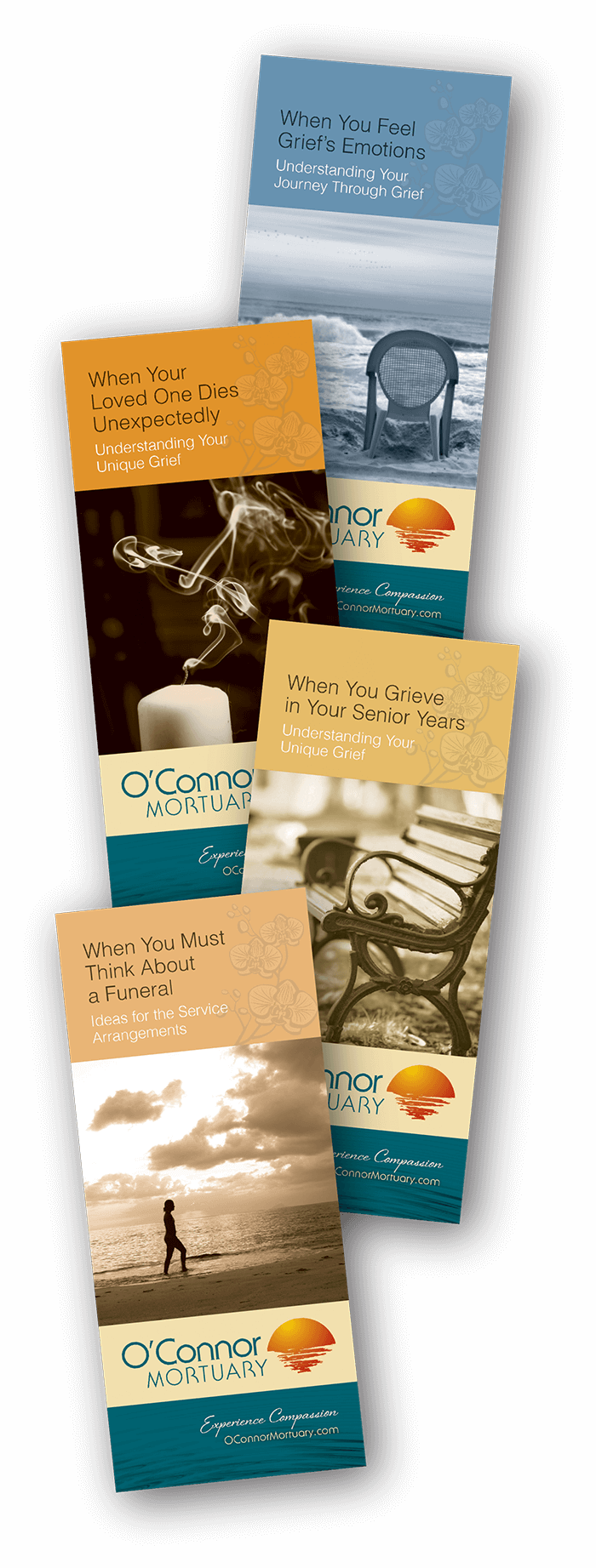
Printable Grief Brochures O'Connor Mortuary

A Guide to Death & Dying booklet by Providence Care Issuu

Helping Yourself Heal Someone Dies

St. Clair Hospital KC Design Creations

Final Days Downloads AdultPalliativeHub
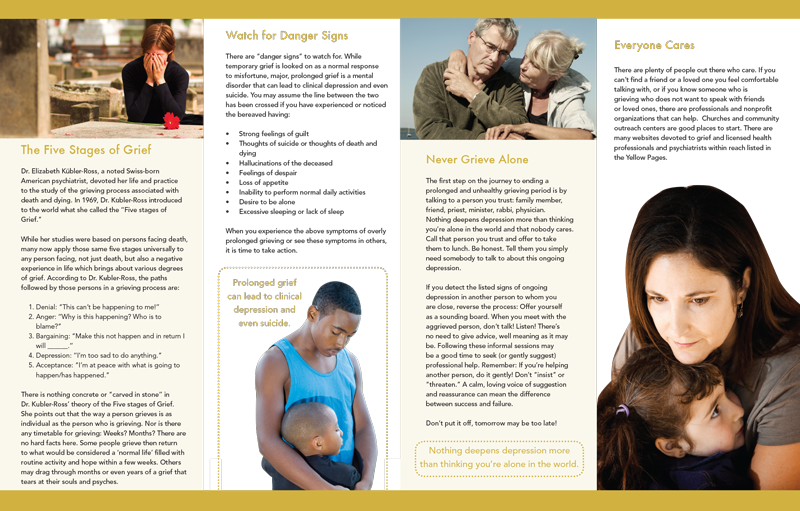
Dealing with Grief and Loss Pamphlets Prevention and Treatment
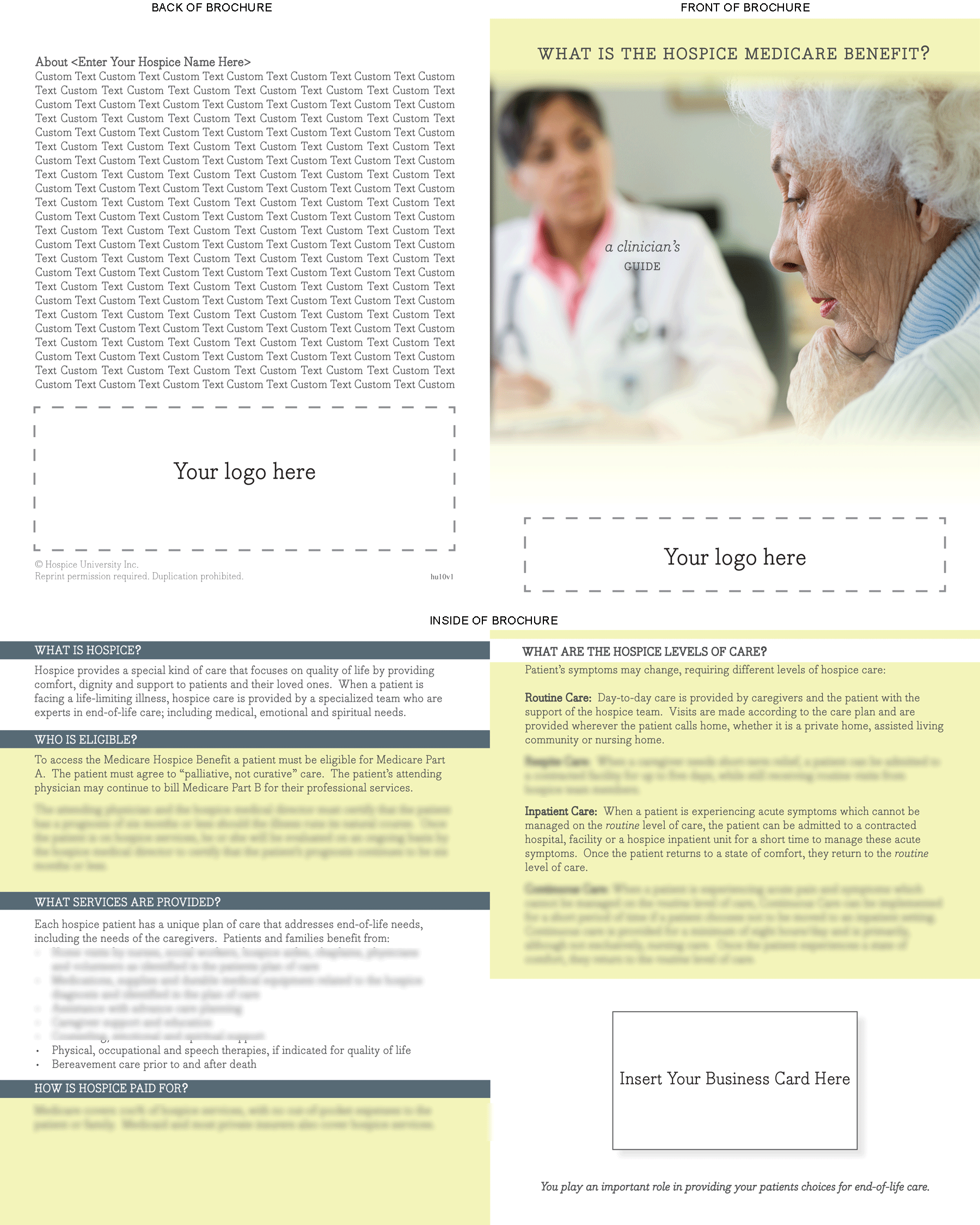
Custom Hospice Brochures My Hospice University

The Dying Process Information for Carers (flyer) Palliative Care
The Following Physical And Emotional Signs Of Approaching Death Are Described To Help You Understand What May Happen.
Outweighs An Interest In Death.
Dying Is A Natural Process As The Body Begins Shutting Down.
As A Caregiver, It May Not Be Obvious To You When Death Has Occurred.
Related Post: