
Brochure Binding Techniques
Brochure Binding Techniques - That’s why we explain the different types among the most common binding methods currently used: We present binding types and explain how to choose the perfect binding for your printed product. Binding is the process of fastening papers together to form a book, booklet, or brochure, providing both protection and a polished look. We look at two of the most popular binding options used for producing booklets, brochures and magazines. When we refer to bindings, we’re discussing the various. There are so many techniques designers use to bind paper together in pamphlet/brochure/book form, which can be pretty confusing at times! Binding is the process by which the pages of a printed product are joined to each other to create a publication, like a book, catalogue, brochure, magazine or thesis. Hidden costs lurk in folding, binding, and shipping charges for marketing material design projects. Understand the most common book and brochure binding methods used in print. Commonly used for books and brochures with over 50 pages. Commonly used for books and brochures with over 50 pages. A binding turns loose pages into a book or brochure. Whether it’s saddle stitch or spiral binding, aesthetics. Binding is the process by which the pages of a printed product are joined to each other to create a publication, like a book, catalogue, brochure, magazine or thesis. Your choice of brochure binding method will either enhance the look of your print material or make it less than desirable. Find out more about our services. Different documents require different types of binding depending on the. When we refer to bindings, we’re discussing the various. • saddle‐stitched• perfect bound• spiral bound• wire‐o binding below we will. We look at two of the most popular binding options used for producing booklets, brochures and magazines. When combined with additional finishing features such as lamination, embossing, foiling, spot. Known in the industry as 'saddle stitching', using staples is probably the simplest. Binding is the process by which the pages of a printed product are joined to each other to create a publication, like a book, catalogue, brochure, magazine or thesis. Find out more about our services.. Whether it’s saddle stitch or spiral binding, aesthetics. The article discusses three ways to bind a brochure: There are so many techniques designers use to bind paper together in pamphlet/brochure/book form, which can be pretty confusing at times! Known in the industry as 'saddle stitching', using staples is probably the simplest. Saddle stitch, perfect bound, and wire bound. • saddle‐stitched• perfect bound• spiral bound• wire‐o binding below we will. Known in the industry as 'saddle stitching', using staples is probably the simplest. The answer, simply, is no. Different documents require different types of binding depending on the. A binding turns loose pages into a book or brochure. The article discusses three ways to bind a brochure: When combined with additional finishing features such as lamination, embossing, foiling, spot. Saddle stitch is the most popular option for binding brochures, particularly for smaller ones like. Commonly used for books and brochures with over 50 pages. We look at two of the most popular binding options used for producing booklets,. We look at two of the most popular binding options used for producing booklets, brochures and magazines. Known in the industry as 'saddle stitching', using staples is probably the simplest. Saddle stitch is the most popular option for binding brochures, particularly for smaller ones like. There are so many techniques designers use to bind paper together in pamphlet/brochure/book form, which. The article discusses three ways to bind a brochure: Known in the industry as 'saddle stitching', using staples is probably the simplest. Whether it’s saddle stitch or spiral binding, aesthetics. Commonly used for books and brochures with over 50 pages. • saddle‐stitched• perfect bound• spiral bound• wire‐o binding below we will. Your choice of brochure binding method will either enhance the look of your print material or make it less than desirable. Sections of pages are folded and cut, then glued along the spine and fixed to the outside cover. Each binding option has unique benefits depending on the end use of your project. When publishing your research report or brochure,. We look at two of the most popular binding options used for producing booklets, brochures and magazines. Armed with a refreshed glossary of terms and an overview of modern binding. The article discusses three ways to bind a brochure: Binding is the process of fastening papers together to form a book, booklet, or brochure, providing both protection and a polished. Commonly used for books and brochures with over 50 pages. Binding is the process by which the pages of a printed product are joined to each other to create a publication, like a book, catalogue, brochure, magazine or thesis. The article discusses three ways to bind a brochure: Your choice of brochure binding method will either enhance the look of. Different documents require different types of binding depending on the. When publishing your research report or brochure, are all binding methods created equal? Commonly used for books and brochures with over 50 pages. That’s why we explain the different types among the most common binding methods currently used: We present binding types and explain how to choose the perfect binding. The answer, simply, is no. Saddle stitch is the most popular option for binding brochures, particularly for smaller ones like. Binding is the process of fastening papers together to form a book, booklet, or brochure, providing both protection and a polished look. • saddle‐stitched• perfect bound• spiral bound• wire‐o binding below we will. Your choice of brochure binding method will either enhance the look of your print material or make it less than desirable. Sections of pages are folded and cut, then glued along the spine and fixed to the outside cover. Saddle stitch, perfect bound, and wire bound. Hidden costs lurk in folding, binding, and shipping charges for marketing material design projects. Find out more about our services. Whether it’s saddle stitch or spiral binding, aesthetics. When combined with additional finishing features such as lamination, embossing, foiling, spot. Each binding option has unique benefits depending on the end use of your project. Commonly used for books and brochures with over 50 pages. Different documents require different types of binding depending on the. We look at two of the most popular binding options used for producing booklets, brochures and magazines. There are so many techniques designers use to bind paper together in pamphlet/brochure/book form, which can be pretty confusing at times!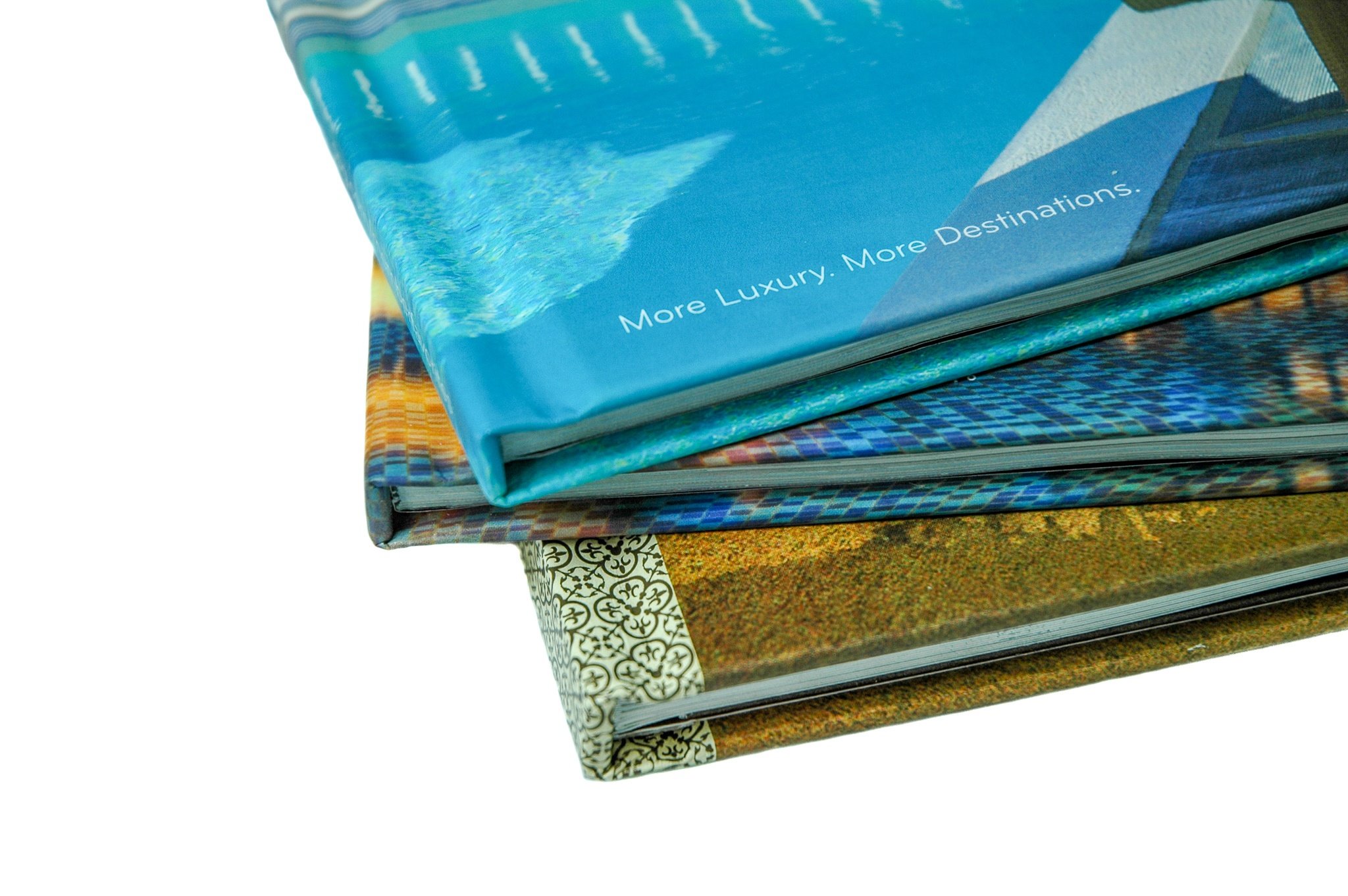
A Print Buyer's Guide to Binding Techniques
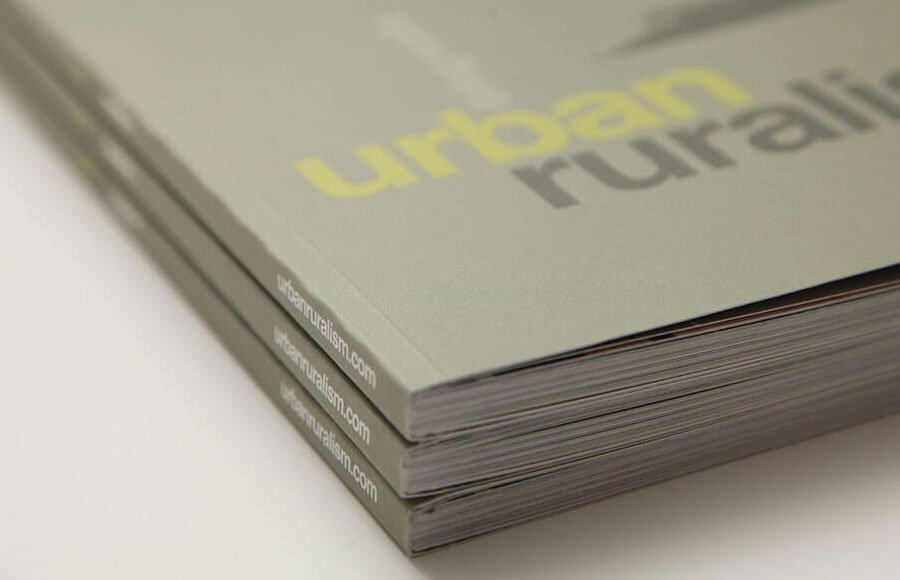
What's the best binding method for my brochure? Action Press
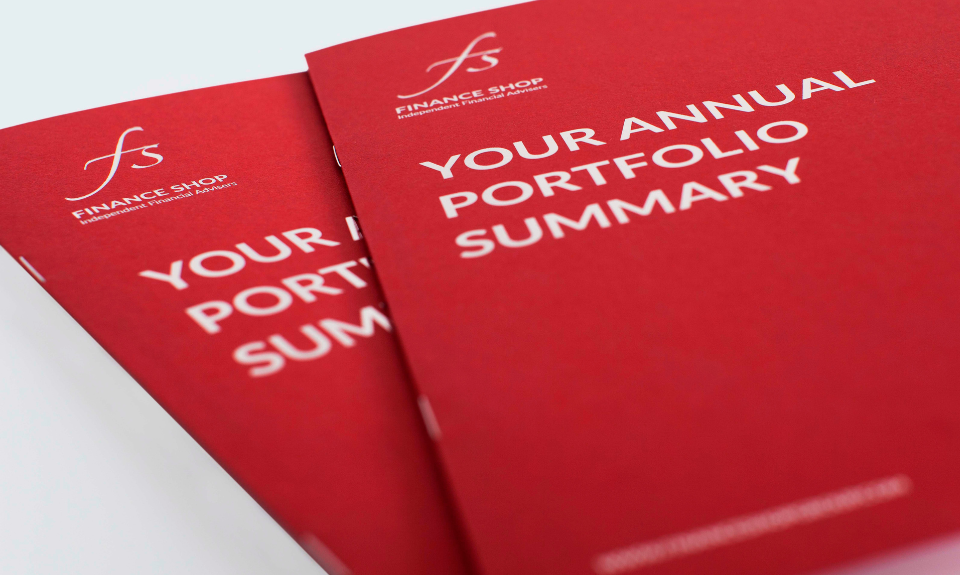
Take the bind out of brochure binding KNP Litho

Take the bind out of brochure binding KNP Litho
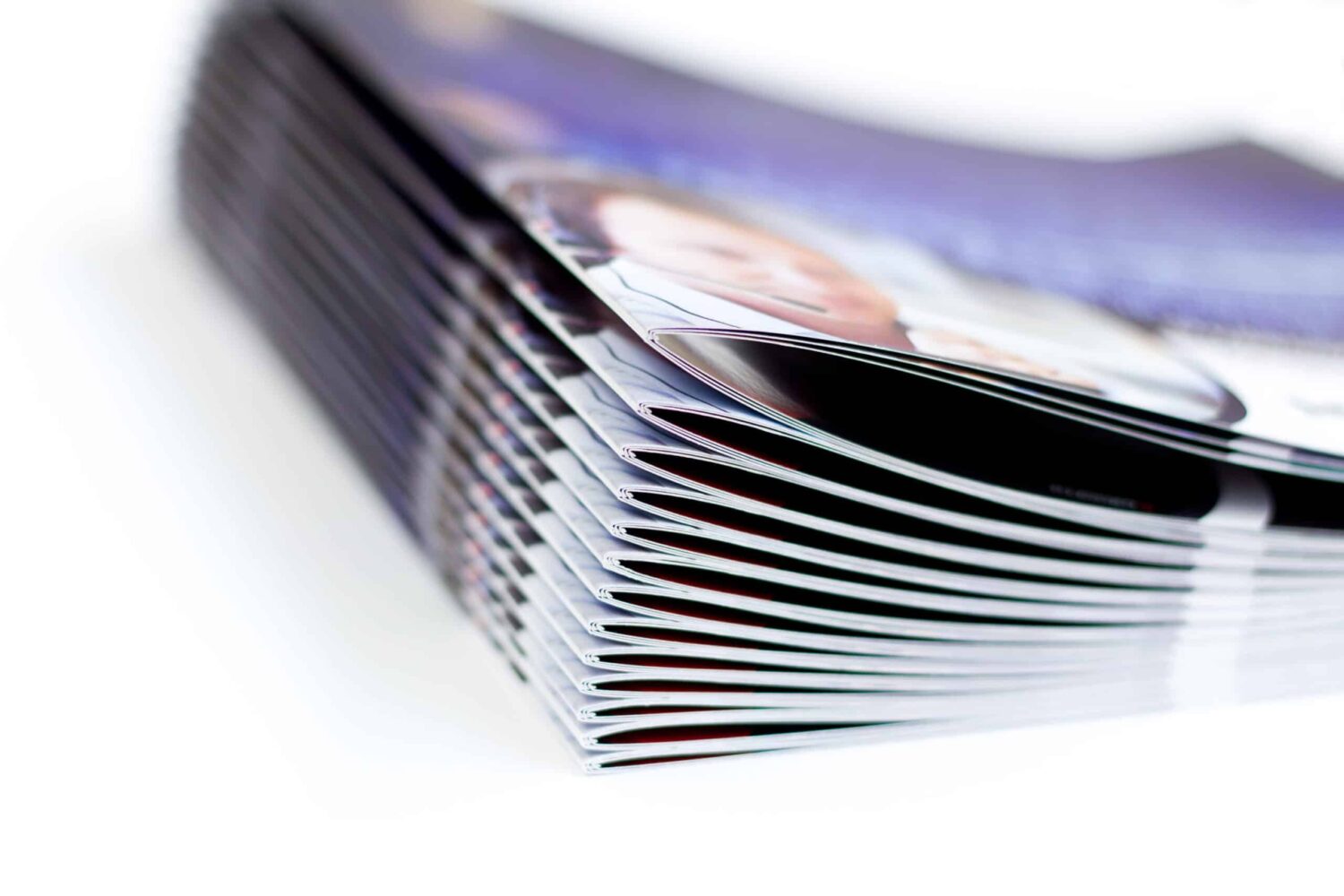
Saddle Stitch Binding A Guide to CostEffective Booklet Making

Premium Brochure Printing UK Print Expertise Purely Digital Brochures

A Print Buyer's Guide to Binding Techniques

Types of Brochure Binding
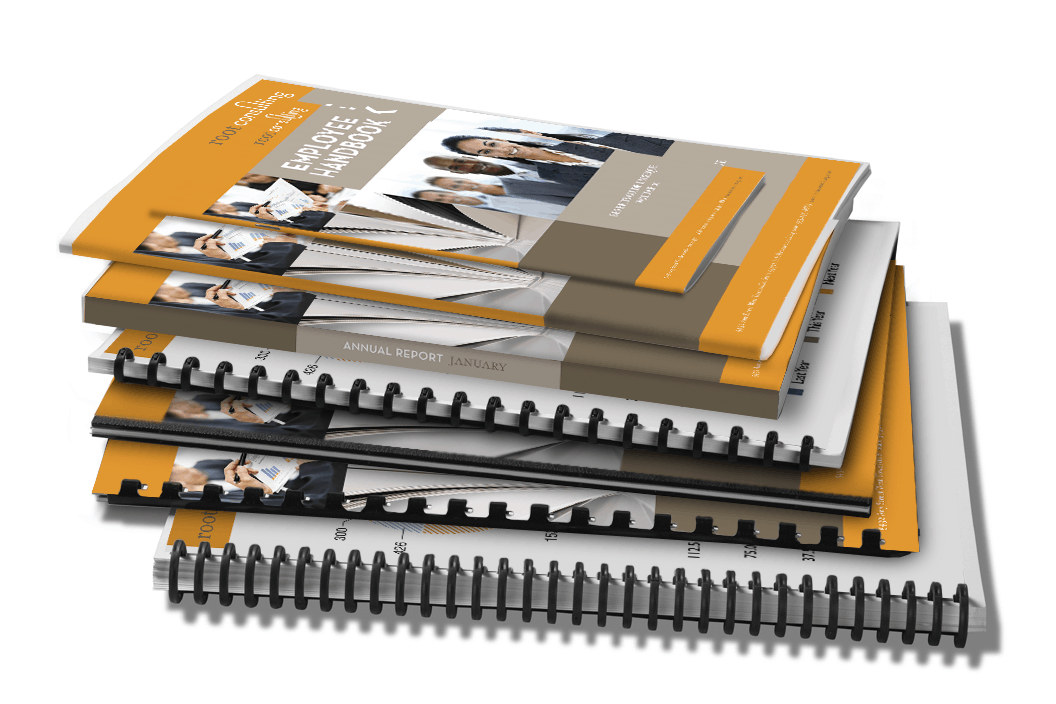
Different Types of Book Binding Choosing the Best Option

Take the bind out of brochure binding KNP Litho
We Present Binding Types And Explain How To Choose The Perfect Binding For Your Printed Product.
Armed With A Refreshed Glossary Of Terms And An Overview Of Modern Binding.
When Publishing Your Research Report Or Brochure, Are All Binding Methods Created Equal?
Known In The Industry As 'Saddle Stitching', Using Staples Is Probably The Simplest.
Related Post: