
Achondroplasia Brochure
Achondroplasia Brochure - Achondroplasia is the most common of the skeletal dysplasias that result in marked short stature (dwarfism). Achondroplasia is the most common form of inherited disproportionate short stature, or dwarfism. Achondroplasia is the most common form of inherited disproportionate short stature, or dwarfism. Because of the effects throughout the body, for optimal outcomes, many different specialties should participate in the care of people with achondroplasia. The word achondroplasia means “without cartilage formation.” individuals with achondroplasia. While the most visible effects are in the arms, legs, and face, nearly all of the bones in the. What are the differences between a child. 1 although achondroplasia is a rare condition,. If i have other children in the future, will they have achondroplasia? Achondroplasia is a type of skeletal dysplasia (a condition that affects the bones and cartilage). If i have other children in the future, will they have achondroplasia? It is a condition of abnormal bone growth that is caused by a mutation or alteration. It is characterized by dwarfism, limited range of. The manchester centre for genomic medicine developed leaflets for achondroplasia that can be of a good help for the follow up of children, with several information and also specific growth. Achondroplasia is a genetic condition in which impaired endochondral ossification adversely affects development of the human skeleton. What are the differences between a child. It is a genetic disorder that affects bone growth. Achondroplasia is the most common form of skeletal dysplasia or dwarfism. Consider talking with your doctor. The affected gene is the fibroblast growth receptor factor 3 (fgfr3) gene. Achondroplasia is the result of a genetic mutation that impacts the growth of long bones in the body. Achondroplasia is the most common form of inherited disproportionate short stature, or dwarfism. The word achondroplasia means “without cartilage formation.” individuals with achondroplasia. If i have other children in the future, will they have achondroplasia? It is characterized by dwarfism, limited range. 1 although achondroplasia is a rare condition,. Achondroplasia is a disorder of bone growth that prevents the changing of cartilage (particularly in the long bones of the arms and legs) to bone. Achondroplasia (ach) is characterized by abnormal bone growth that results in short stature with disproportionately short arms and legs, a large head, and characteristic facial features. Explore our. Achondroplasia is a type of skeletal dysplasia (a condition that affects the bones and cartilage). If i have other children in the future, will they have achondroplasia? Achondroplasia is a genetic condition in which impaired endochondral ossification adversely affects development of the human skeleton. Consider talking with your doctor. The manchester centre for genomic medicine developed leaflets for achondroplasia that. Consider talking with your doctor. Because of the effects throughout the body, for optimal outcomes, many different specialties should participate in the care of people with achondroplasia. It is a condition of abnormal bone growth that is caused by a mutation or alteration. Explore our resources for medical professionals concerning achondroplasia, the most common type of dwarfism, including current research,. Achondroplasia is the most common form of skeletal dysplasia or dwarfism. 1 although achondroplasia is a rare condition,. Sanofi is researching whether targeting the abnormal signal in people with achondroplasia improves bone growth, resulting in increased height, limb length, and skull growth, and. The affected gene is the fibroblast growth receptor factor 3 (fgfr3) gene. Explore our resources for medical. What are the differences between a child. The word achondroplasia means “without cartilage formation.” individuals with achondroplasia. If i have other children in the future, will they have achondroplasia? Achondroplasia, characterized by impaired endochondral bone growth, is the most common type of skeletal dysplasia, accounting for about 90% of disproportionate short stature. The affected gene is the fibroblast growth receptor. Achondroplasia is the most common of the skeletal dysplasias that result in marked short stature (dwarfism). Consider talking with your doctor. Sanofi is researching whether targeting the abnormal signal in people with achondroplasia improves bone growth, resulting in increased height, limb length, and skull growth, and. Explore our resources for medical professionals concerning achondroplasia, the most common type of dwarfism,. It is a condition of abnormal bone growth that is caused by a mutation or alteration. It is characterized by dwarfism, limited range of. Because of the effects throughout the body, for optimal outcomes, many different specialties should participate in the care of people with achondroplasia. Achondroplasia is the most common form of skeletal dysplasia or dwarfism. It is a. Sanofi is researching whether targeting the abnormal signal in people with achondroplasia improves bone growth, resulting in increased height, limb length, and skull growth, and. If i have other children in the future, will they have achondroplasia? Because of the effects throughout the body, for optimal outcomes, many different specialties should participate in the care of people with achondroplasia. Achondroplasia,. Consider talking with your doctor. What will achondroplasia mean for my child when they are born? Because of the effects throughout the body, for optimal outcomes, many different specialties should participate in the care of people with achondroplasia. What are the differences between a child. The word achondroplasia means “without cartilage formation.” individuals with achondroplasia. It is a condition of abnormal bone growth that is caused by a mutation or alteration. The manchester centre for genomic medicine developed leaflets for achondroplasia that can be of a good help for the follow up of children, with several information and also specific growth. Achondroplasia is the most common form of inherited disproportionate short stature, or dwarfism. It is a genetic disorder that affects bone growth. 1 although achondroplasia is a rare condition,. What will achondroplasia mean for my child when they are born? What are the differences between a child. Consider talking with your doctor. Achondroplasia is the most common of the skeletal dysplasias that result in marked short stature (dwarfism). Achondroplasia is the most common form of inherited disproportionate short stature, or dwarfism. The word achondroplasia means “without cartilage formation.” individuals with achondroplasia. Sanofi is researching whether targeting the abnormal signal in people with achondroplasia improves bone growth, resulting in increased height, limb length, and skull growth, and. While the most visible effects are in the arms, legs, and face, nearly all of the bones in the. Achondroplasia is the most common form of skeletal dysplasia or dwarfism. The word achondroplasia means “without cartilage formation.” individuals with achondroplasia. It is characterized by dwarfism, limited range of.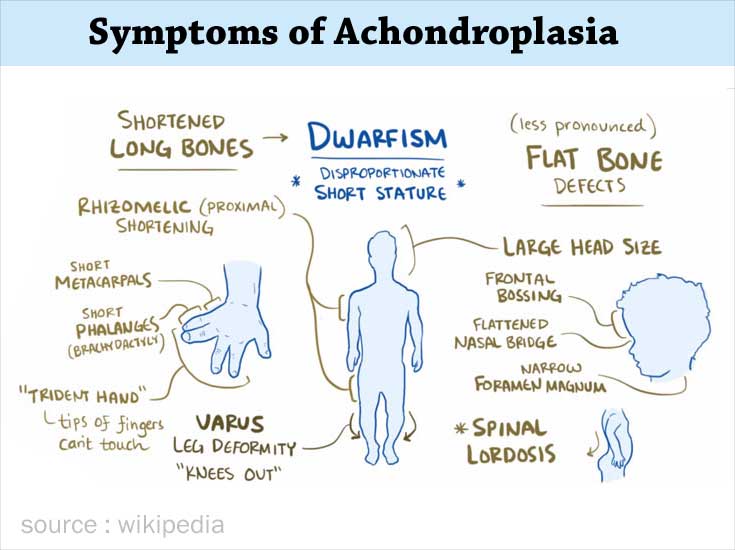
Achondroplasia Causes, Symptoms, Diagnosis, Treatment
Achondroplasia PDF Medical Specialties Diseases And Disorders
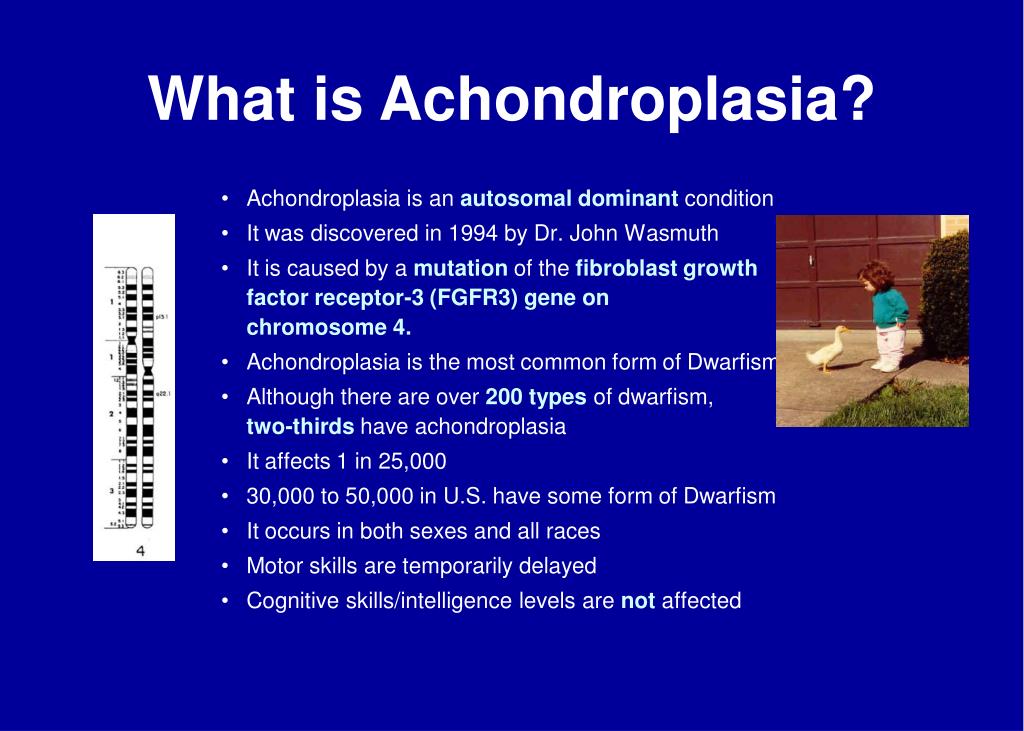
PPT Achondroplasia PowerPoint Presentation, free download ID766193
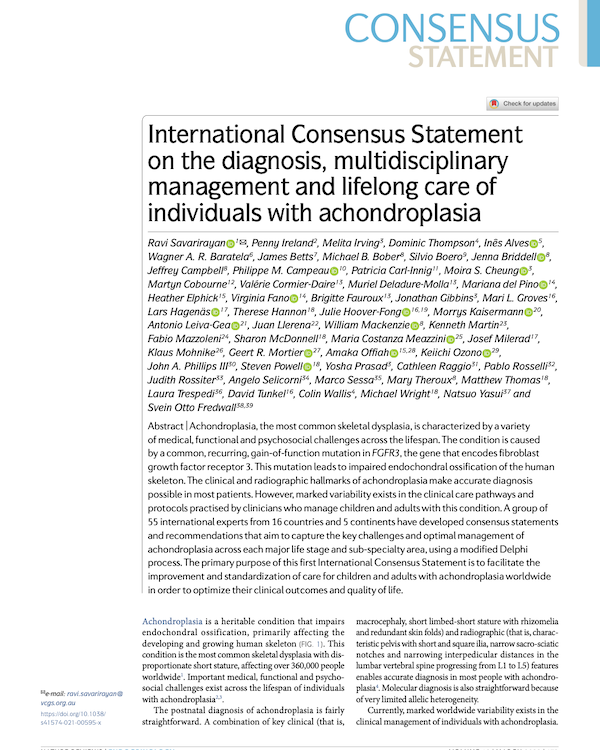
Achondroplasia Resource Library For HCP only
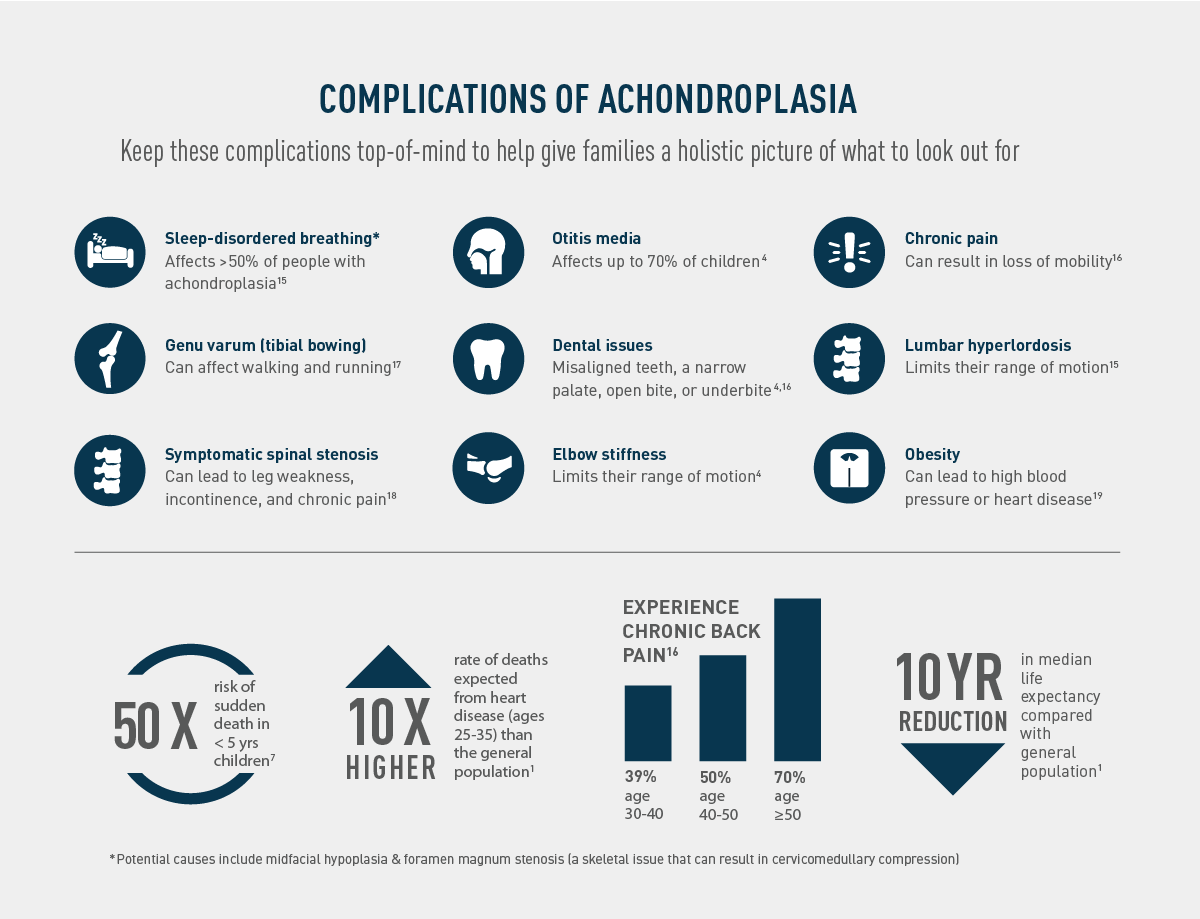
Our Therapy Areas Achondroplasia For HCP only

(PDF) Achondroplasia A Rare Syndrome
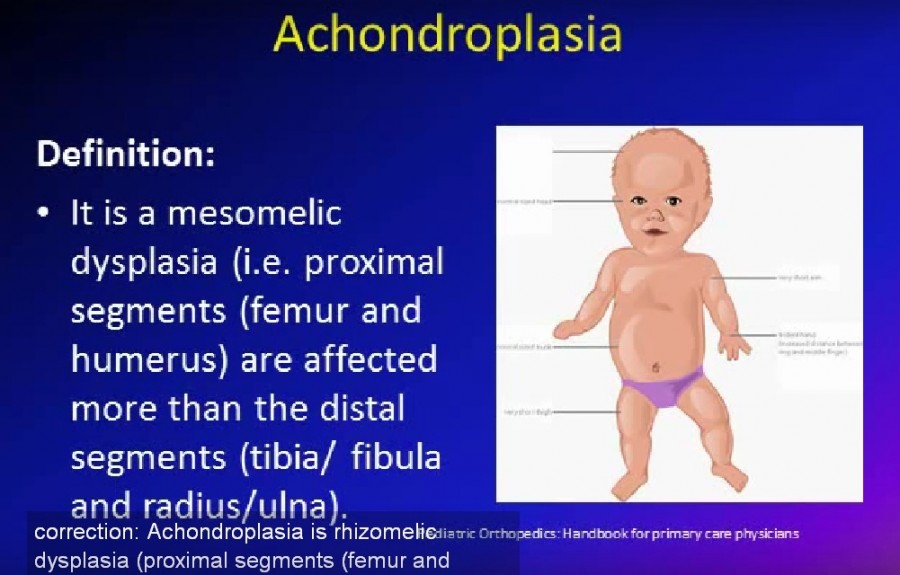
Achondroplasia —
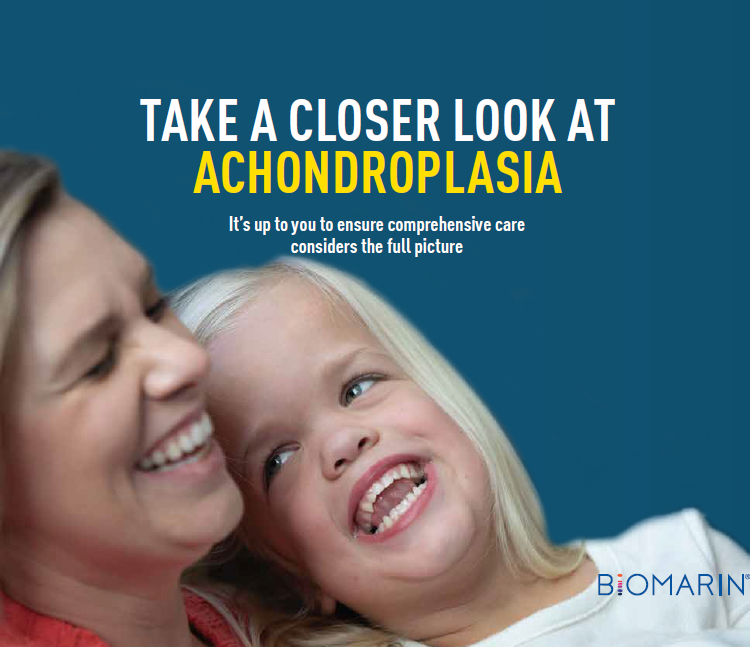
Achondroplasia Resource Library For HCP only
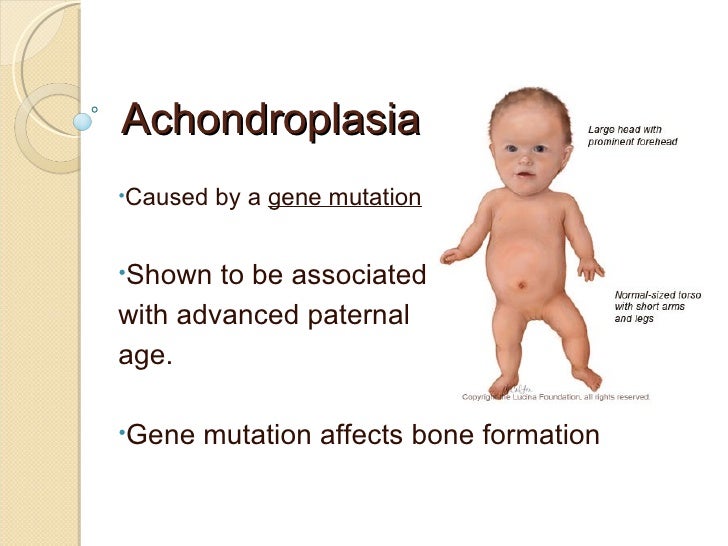
Achondroplasia

Achondroplasia MedicoLearning
The Affected Gene Is The Fibroblast Growth Receptor Factor 3 (Fgfr3) Gene.
Achondroplasia Is A Disorder Of Bone Growth That Prevents The Changing Of Cartilage (Particularly In The Long Bones Of The Arms And Legs) To Bone.
Children With Achondroplasia Only Require Medical Care For Physical Challenges.
Achondroplasia Is A Type Of Skeletal Dysplasia (A Condition That Affects The Bones And Cartilage).
Related Post:
